

We assess CSS and HTML to guarantee a flawless and error-free website experience.

We make sure to include written transcripts for all audio and video content, and all videos contain captions. User-friendly controls are incorporated for an inclusive multimedia experience.

We maintain uniform header navigation on all web pages and make sure the site section is accessible via keyboard, including dropdown functionality.

We optimize visual content and ensure proper alt text and descriptions to enhance accessibility standards.

We make content accessible on various channels and use clear, actionable links for an easy browsing experience.
Its hard to believe we've worked with Genetech for over 10 years. The team has been a joy to work with. The entire team cares about helping us and doing the best they can. I consider them part of our company. Thank you Neelam, Ali, Qasim and Shamim for all that you do.

I had a great time working with GENETECH. Their services are very professional and the team is incredibly responsive. They were very attentive to our requests and needs and produced amazing end product. I would highly recommend their service.
We have been extremely pleased with the incredible work done by Genetech. They operate professionally, swiftly, and efficiently. They have set up our entire new website, which has been wonderful, and the collaboration has been seamless.
Implemented website and server side tracking for Google Ads and Facebook Ads. A job well done!

I have been working with Genetech since June of 2021. They are responsible for building and managing my personal, branding website. I've been consistently impressed with their work, from the very beginning. Communication has been clear and concise. Execution has been flawless. And responsiveness to ongoing requests and updates has been prompt, efficient and reliably accurate. A 5-star operation.



We have been delivering excellent work to our clients for nearly two decades now. Look at some of our web, mobile, design, and animation projects here. Like what you see? Don’t hesitate to reach out.

Founder Dave Pickles and co-founder Rob Edmond of Altitude OCR and World’s Highest OCR, bring their combined expertise of organising and leading extreme sporting and adventure world record-breaking events together. Altitude OCR is one of the five official disciplines of OCR and adventure racing for world obstacles.
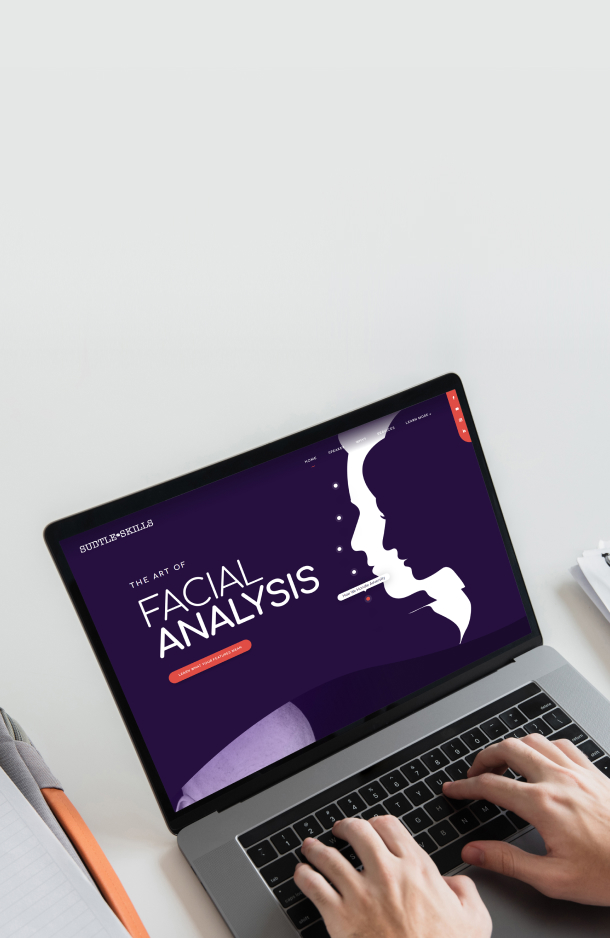
Subtle Skills is a company that specializes in teaching skills that help anyone build rapport with customers, coworkers, and even friends/family. Brian Galke’s niche is in teaching Facial Feature Analysis, a proactive skill that helps you understand people in a whole new way!





Copyright | GenetechSolutions.com - ConsulNet Corporation | All Rights Reserved.
